The place Was Revenant Film Filmed 2026 units the stage for this enthralling narrative, providing readers a glimpse right into a story that’s wealthy intimately and brimming with originality from the outset. The Revenant film, launched in 2026, takes audiences on a visually gorgeous journey by way of the unforgiving pure environments of Nineteenth-century America. As we delve into the world of Hugh Glass, a fur trapper mauled by a bear, we discover ourselves misplaced within the huge and unspoiled landscapes that impressed the movie’s visible authenticity.
The Revenant film’s success could be attributed to its dedication to authenticity, from the costumes and props to the cinematography. The filmmakers selected genuine places for filming, recreating the unforgiving pure environments portrayed within the film. Nonetheless, in addition they needed to adapt to the tough native local weather and terrain throughout filming, usually working in distant places with restricted entry to assets.
Investigating the distant places in Alberta, Canada, the place The Revenant film was partially filmed: The place Was Revenant Film Filmed 2026
Deep throughout the coronary heart of Canada lies the breathtaking panorama of Alberta, a province that has been the backdrop for quite a few cinematic masterpieces, together with Alejandro G. Iñárritu’s epic drama, The Revenant. Among the many quite a few breathtaking places chosen for the movie’s manufacturing, Alberta’s distant and various terrain showcased the unforgiving energy of nature and the resilience of human spirit.
The Unspoiled Wilderness of Nahanni Nationwide Park Reserve
One of the vital hanging places featured in The Revenant is the majestic Nahanni Nationwide Park Reserve, located within the Northwest Territories of Canada. The park’s huge expanse of turquoise waters, snow-capped mountains, and luxurious forests supplied the right setting for the movie’s dramatic showdowns and poignant moments of introspection.
- The park’s breathtaking surroundings was largely influenced by the confluence of three main rivers, which carved out the panorama over hundreds of thousands of years, making a tapestry of deep canyons, towering peaks, and glacial lakes.
- The intense local weather and geography of Nahanni Nationwide Park made it a perfect location for showcasing the tough realities of the wilderness, which performed a pivotal position in shaping the movie’s narrative.
- The park’s various vary of wildlife additionally added an air of authenticity to the movie, as actors and crew struggled to outlive within the unforgiving atmosphere.
Exploring the usage of pure gentle and shadows
The Revenant’s cinematographer, Emmanuel Lubezki, took full benefit of Alberta’s distinctive geography to create a visually gorgeous and immersive expertise. By leveraging the pure gentle and shadows, Lubezki was capable of craft an genuine and lifelike environment that transported viewers to the tough but breathtaking world of 1820s North America.
“The sunshine is the story, the sunshine is the life.”
The Revenant movie’s breathtaking landscapes captured international creativeness, very similar to the chilling imagery of the fnaf movie poster 2026 , which is a testomony to the horror style’s capacity to craft unforgettable scenes. Curiously, Alejandro G. Iñárritu, the mastermind behind The Revenant, additionally explored eerie environments in his earlier movies. To recreate the tough great thing about The Revenant’s wilderness, the movie’s crew selected to shoot in varied places throughout North America, together with Argentina and Chile.
Emmanuel Lubezki
- Lubezki employed the usage of excessive distinction lighting to emphasise the uncooked and unforgiving nature of the wilderness, creating a visible palette that was each haunting and exquisite.
- The cinematographer additionally made use of pure shadowing so as to add depth and texture to the movie’s visuals, usually positioning the solar at excessive angles to create lengthy shadows that added thriller and stress to the scenes.
- Using pure gentle was additionally instrumental in conveying the passage of time, because the movie’s narrative unfolded throughout the seasons, from the heat of summer time to the tough realities of winter.
Adapting to the tough native local weather and terrain
Filming in Alberta’s distant and unforgiving atmosphere got here with its personal set of challenges, because the manufacturing staff needed to adapt to the tough native local weather and terrain. From the biting chilly of winter to the sweltering warmth of summer time, the crew confronted a large number of obstacles that examined their resolve and ingenuity.
The 2015 epic historic drama ‘The Revenant’ was primarily filmed in Canada, however when you’re craving an immersive cinematic expertise harking back to wilderness survival, you may need to take a look at the very best Bronxville movie theater , which affords a comfy viewing expertise to move you to the untamed American frontier, maybe making you ponder when you may recreate Leonardo DiCaprio’s harrowing journey.
- The movie’s manufacturing staff needed to cope with temperatures plummeting to -40°C (-40°F) in winter, whereas the summer time months introduced heatwaves that always exceeded 30°C (86°F).
- The distant location of the movie’s shoots meant that the crew needed to depend on helicopters and boats to move tools and personnel, usually navigating treacherous terrain and unpredictable climate circumstances.
- The forged and crew additionally needed to cope with isolation and bodily fatigue, as they spent weeks within the wilderness, usually with out fundamental facilities and luxuries.
Exploring the usage of location-specific units and costumes in The Revenant film
The Revenant, a historic drama movie directed by Alejandro G. Iñárritu, boasts a visually hanging and immersive portrayal of life within the early Nineteenth-century American frontier. One of many key contributors to this fascinating environment is the meticulous consideration to location-specific units and costumes, expertly crafted to move viewers to a bygone period.The manufacturing staff, led by set designer Jack Fisk and costume designer Jacqueline Durran, drew inspiration from real-life historic accounts, incorporating genuine supplies and motifs to create an immersive and genuine visible expertise.
In a single notable occasion, the movie’s crew used actual fur and leather-based to craft costumes, guaranteeing a tactile and genuine really feel that resonated deeply with viewers.Costume design performed a pivotal position in establishing the movie’s tone and themes, with every outfit serving as a visible illustration of a personality’s standing, occupation, and cultural background. For instance, Leonardo DiCaprio’s character, Hugh Glass, wears a battered and worn-out coat, symbolizing his rugged and resilient nature.
In distinction, the movie’s Native American characters put on intricately designed headdresses and regalia, highlighting their cultural significance and significance.
Design Selections
The manufacturing staff labored intently with historic consultants to make sure that the costumes and settings precisely mirrored the time interval and cultural context. They consulted with consultants in historic trend, textiles, and cultural practices, incorporating their information into the design decisions.Some notable design decisions embrace the usage of buckskin and deerskin for the Native American characters, which have been genuine to the Nineteenth-century American West.
Moreover, the manufacturing staff opted for hand-stitching and conventional weaving methods to create costumes that weren’t solely visually hanging but additionally traditionally correct.Using make-up and prosthetics added one other layer of realism to the costumes, reworking actors into their characters. As an illustration, Leonardo DiCaprio’s transformation into Hugh Glass concerned a mix of make-up and prosthetics, which helped to convey the character’s battered and bruised state.
Historic Accuracy
In an effort to obtain a excessive stage of historic accuracy, the manufacturing staff performed in depth analysis and consultations with consultants within the area. They pored over historic texts, consulted with Native American communities, and even constructed a reproduction of a Nineteenth-century fur buying and selling submit to make sure an genuine setting.One exceptional instance of this consideration to element is the movie’s depiction of Native American tradition.
The manufacturing staff consulted with Native American elders and consultants to make sure that the cultural practices, customs, and traditions have been precisely represented on display screen. This stage of respect and sensitivity in direction of Native American tradition earned the movie widespread recognition and reward from critics and viewers alike.
The film “The Revenant” was filmed in varied gorgeous places all over the world, together with some breathtaking autumnal landscapes, which sparked our creativeness for a few of the best children’s movies about fall that showcase vibrant foliage and comfortable seasonal settings. In the meantime, the movie’s cinematography took benefit of Argentina’s Patagonia area and Alberta, Canada’s Banff Nationwide Park, the place the tough local weather proved to be an ideal match for the film’s brutal narrative.
Revenant’s filming places have impressed many to discover these pure wonders, very similar to how autumnal settings have influenced the storytelling in well-liked youngsters’ films.
Influence on Tone and Themes
Costume design performed a vital position in shaping the tone and themes of The Revenant. The movie’s consideration to historic accuracy and cultural sensitivity created a way of timelessness and universality, permitting viewers to attach with the characters and story on a deeper stage.Using location-specific units and costumes helped to create a visceral and immersive expertise, transporting viewers to a bygone period.
The movie’s use of pure gentle, cinematography, and sound design additional enhanced this impact, making a seamless and interesting viewing expertise.
Actual-World Purposes
The eye to element and dedication to historic accuracy demonstrated in The Revenant have real-world implications for costume design and manufacturing. By incorporating genuine supplies, motifs, and practices, filmmakers and costume designers can create immersive and visually hanging experiences that transport viewers to a unique period or tradition.This method not solely enhances the viewing expertise but additionally promotes cultural understanding and respect.
By prioritizing historic accuracy and cultural sensitivity, filmmakers can create a long-lasting affect on their viewers, fostering empathy and understanding for various cultures and time durations.
Tracing the filming places of The Revenant film that have been impressed by the American wilderness
The Revenant, a historic drama movie directed by Alejandro González Iñárritu, takes viewers on a visceral and visually gorgeous journey by way of the huge expanse of the American wilderness. The movie’s cinematographer, Emmanuel Lubezki, utilized the unspoiled landscapes to create a way of isolation and vulnerability, drawing viewers into the world of Hugh Glass, a fur trapper and explorer performed by Leonardo DiCaprio.
On this article, we’ll delve into the movie’s depiction of the American wilderness and discover how its pure settings contributed to its narrative themes and character growth.
The Energy of Isolation
The movie’s cinematographer, Emmanuel Lubezki, used the huge and unspoiled landscapes to create a way of isolation and vulnerability, drawing viewers into the world of Hugh Glass. Lubezki’s use of pure settings allowed the viewers to expertise the tough realities of the American wilderness, from the scorching warmth of the desert to the freezing chilly of the mountain vary. This immersive expertise was a key issue within the movie’s success, because it positioned viewers within the sneakers of Glass, permitting them to really feel his ache, concern, and resilience.
- Using pure settings created a way of isolation, drawing viewers into the world of Hugh Glass.
- Lubezki’s cinematography emphasised the tough realities of the American wilderness, from desert warmth to mountain chilly.
- The movie’s pure settings allowed viewers to expertise the world of Glass, creating a way of empathy and understanding.
A Reflection of the American Relationship with Nature
The Revenant’s depiction of the American wilderness is a mirrored image of the nation’s complicated and sometimes contentious relationship with its pure atmosphere. The movie reveals the darkish aspect of the human relationship with nature, showcasing the violence, exploitation, and disrespect which have lengthy been related to the American West. By its portrayal of the American wilderness, the movie highlights the results of humanity’s actions on the atmosphere and the native populations that inhabit it.
- The movie’s depiction of the American wilderness displays the nation’s complicated and sometimes contentious relationship with its pure atmosphere.
- The Revenant highlights the violence, exploitation, and disrespect related to the American West.
- The movie’s portrayal of the American wilderness serves as a warning concerning the penalties of humanity’s actions on the atmosphere and native populations.
Narrative Themes and Character Growth
The movie’s use of pure settings contributed considerably to its narrative themes and character growth. The huge expanse of the American wilderness served as a backdrop for Glass’s journey, highlighting his resilience, dedication, and connection to the pure world. The movie’s cinematography and pure settings created a way of continuity between Glass’s experiences and the atmosphere, emphasizing the interconnectedness of human and nature.
“The American wilderness is a spot the place males can check their limits, however it’s additionally a spot the place males are humbled.”
Hugh Glass
Inspecting the affect of The Revenant film’s filming places on the native economic system and tourism
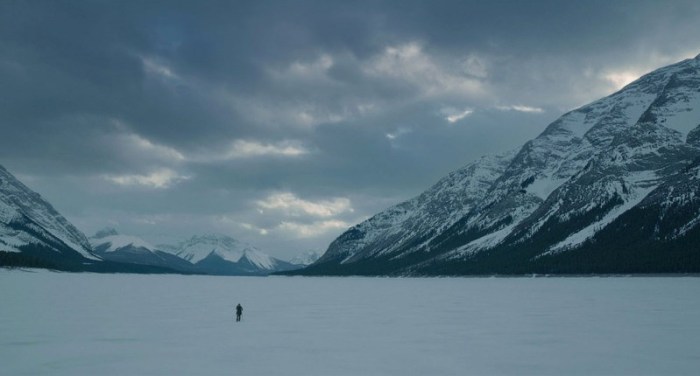
The Revenant film’s filming places in distant areas of Alberta, Canada, had a major affect on the native economic system and tourism. The movie’s manufacturing generated a considerable quantity of income for native companies, creating jobs and investing in infrastructure. This, in flip, has impressed a surge in tourism to those areas.
The financial advantages of filming in distant places
The Revenant film’s filming places in distant areas of Alberta, Canada, supplied a singular alternative for native companies to capitalize on the inflow of movie crew and tools leases. The manufacturing required a major quantity of logistical help, together with lodging, meals, and tools leases. This injected a substantial sum of money into the native economic system, creating new jobs and stimulating financial development.In keeping with a report by the Alberta Movie Growth Corp., the manufacturing of The Revenant created roughly 500 jobs within the province, with many of those positions crammed by native residents.
The manufacturing additionally invested in native infrastructure, together with the development of makeshift units and the usage of native transportation companies.
- The manufacturing of The Revenant additionally had a major affect on the native tourism business. Many vacationers visited the movie’s capturing places, producing a major quantity of income for native companies.
- The success of The Revenant has impressed a surge in tourism to the encompassing space, with many guests drawn to the movie’s capturing places and the pure great thing about the world.
- The movie’s manufacturing has additionally had a long-lasting affect on the native economic system, with many companies within the space nonetheless benefiting from the income generated by the movie’s manufacturing.
Preserving and defending the world’s pure heritage, The place was revenant film filmed 2026
The Revenant film’s deal with the American wilderness and the pure great thing about the world has contributed to a higher appreciation and understanding of the significance of preserving and defending the world’s pure heritage. The movie’s consideration to element and dedication to authenticity have highlighted the fragility and great thing about the pure world.The movie’s portrayal of the American wilderness has additionally raised consciousness concerning the significance of conservation and preservation efforts.
The movie’s depiction of the tough circumstances confronted by the characters highlights the significance of defending the atmosphere and preserving the pure world for future generations.The Revenant film’s affect on the native economic system and tourism has been important, with the manufacturing producing a considerable quantity of income for native companies and creating new jobs. The movie’s deal with the American wilderness has additionally contributed to a higher appreciation and understanding of the significance of preserving and defending the world’s pure heritage.
Conclusion

In conclusion, the Revenant film’s filming places performed a major position in its success, providing a visible illustration of the tough circumstances and distant areas that Hugh Glass encountered. The film’s dedication to authenticity and its use of pure settings contributed to its narrative themes and character growth. As we proceed to discover the affect of filming places on native economies and tourism, it’s clear that The Revenant film has left an indelible mark on the world of cinema.
Useful Solutions
Q: What have been a few of the challenges confronted by the manufacturing staff throughout filming?
The manufacturing staff confronted quite a few challenges, together with adapting to the tough native local weather and terrain throughout filming. They labored in distant places with restricted entry to assets, usually having to improvise and discover inventive options to beat the obstacles posed by the atmosphere.
Q: How did the Revenant film’s use of costuming and props contribute to its authenticity?
The movie’s costume design performed a vital position in establishing the tone and themes of the film. The manufacturing staff labored intently with historic consultants to make sure accuracy within the costumes and settings, making a visually gorgeous illustration of Nineteenth-century America.
Q: What was the importance of the Revenant film’s filming places when it comes to their affect on native economies and tourism?
The Revenant film’s success has impressed tourism and native engagement with the pure atmosphere. The movie’s affect on the native economic system has been important, creating jobs and investing in native infrastructure. The film has additionally contributed to a higher appreciation and understanding of the significance of preserving and defending the world’s pure heritage.
